Discover Thai-Lao Restaurant
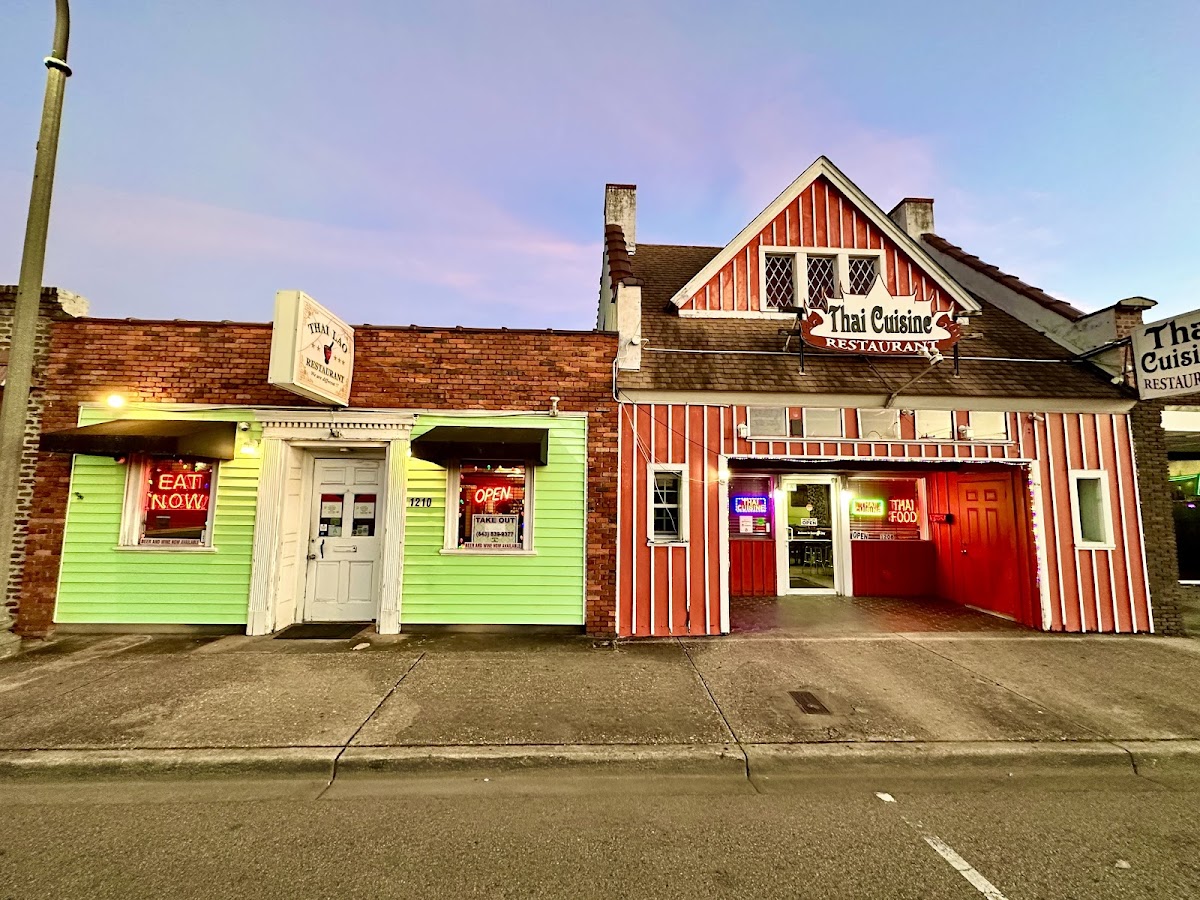
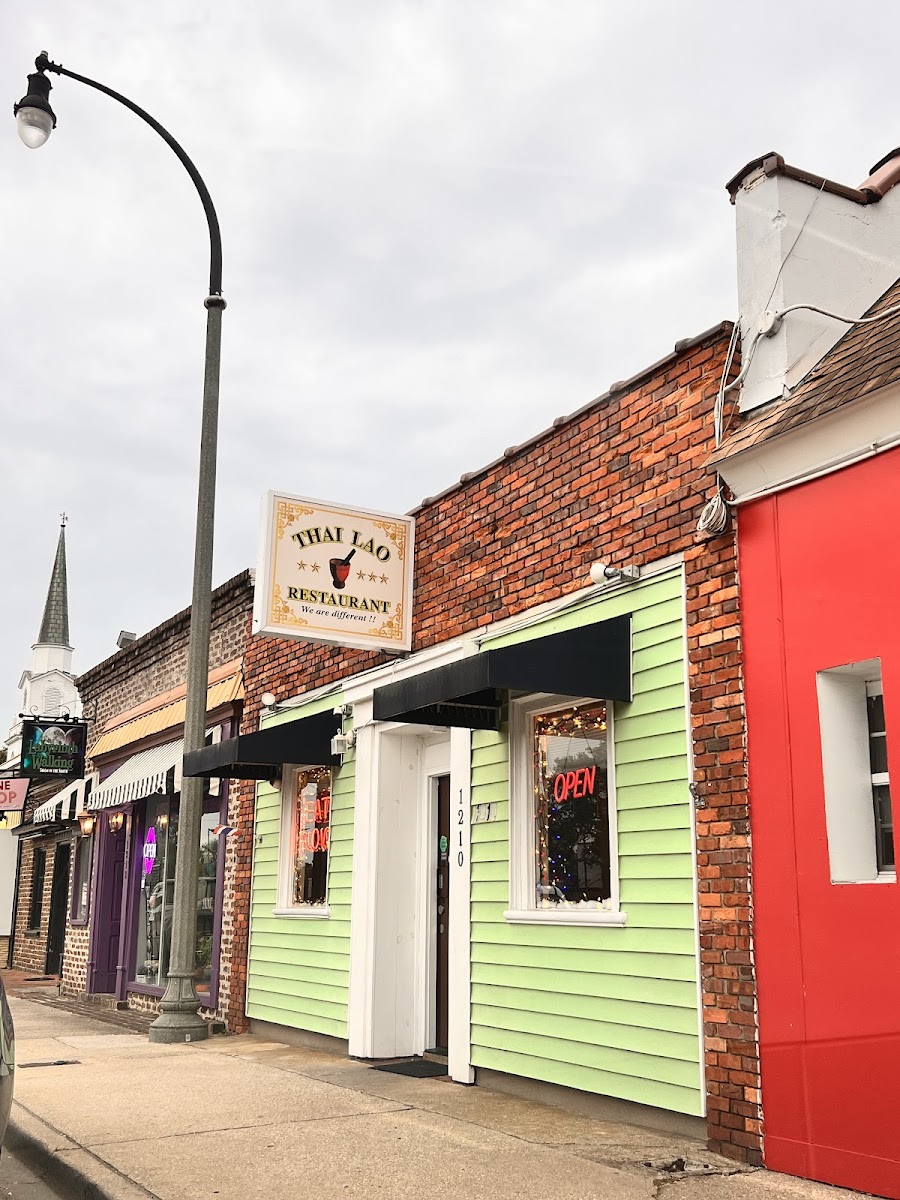
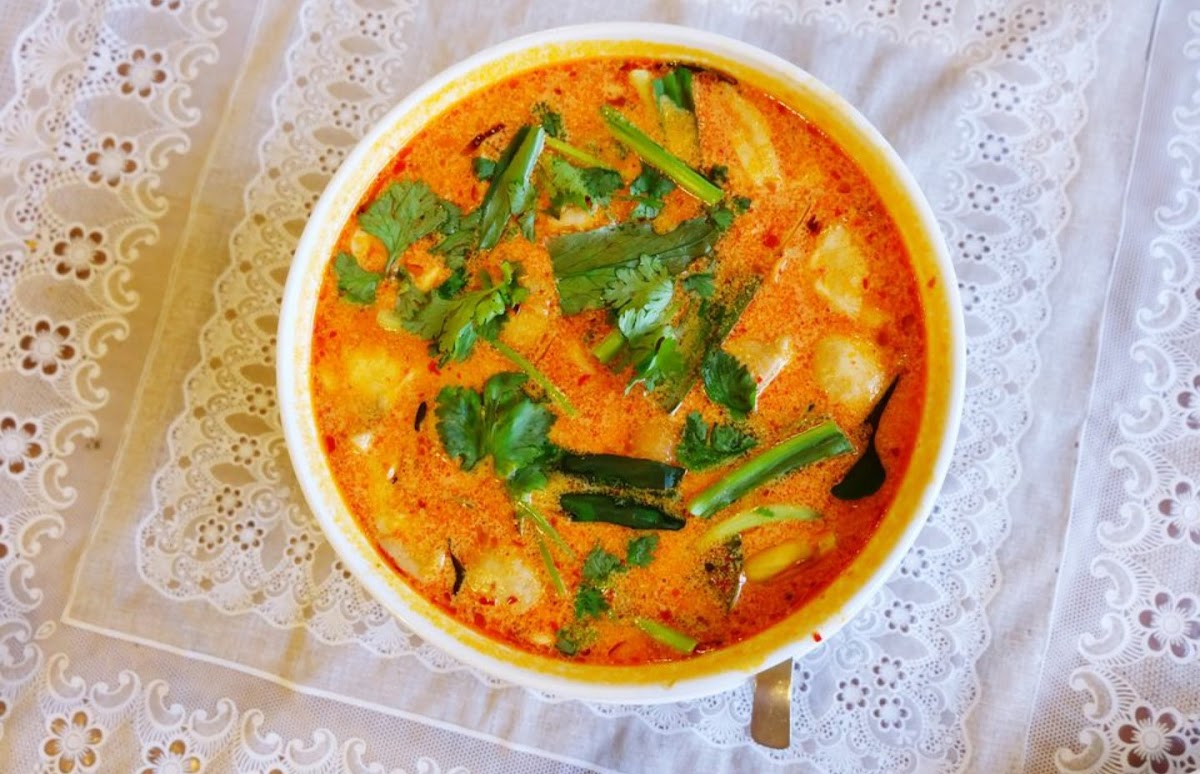
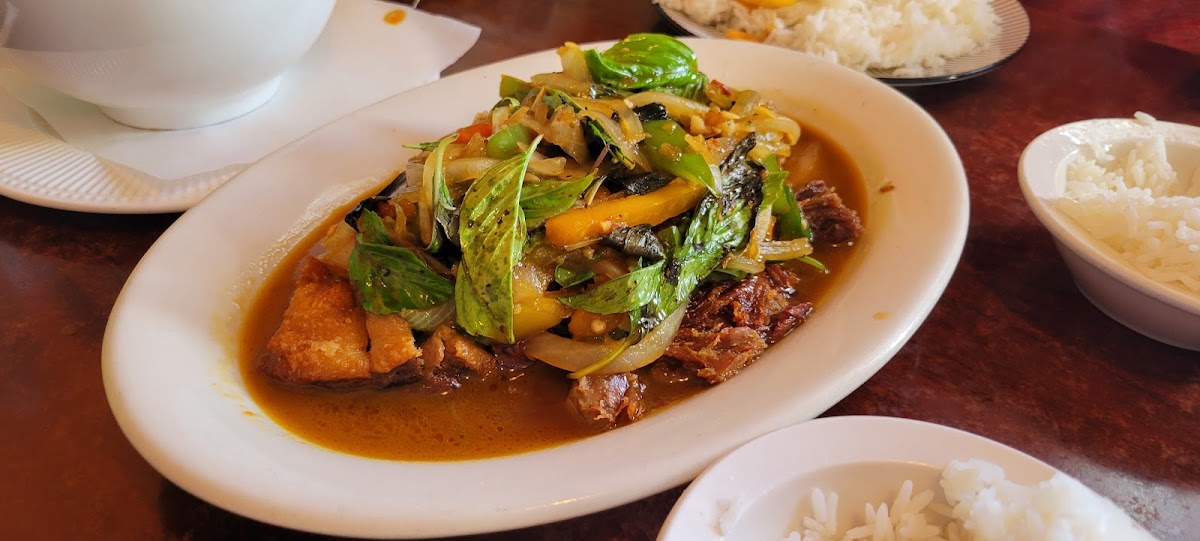
Walking into a Thai-Lao Restaurant tucked along 1210 N Kings Hwy, Myrtle Beach, SC 29577, United States feels like stepping into a small family kitchen rather than a commercial diner. The first thing that hit me was the aroma of lemongrass and toasted chili, the kind that immediately tells you food is being cooked with intention, not shortcuts. I’ve eaten Thai and Lao food across the Carolinas, and this place reminded me of meals I had in a Lao household where every dish arrived when it was ready, not when the clock said so.
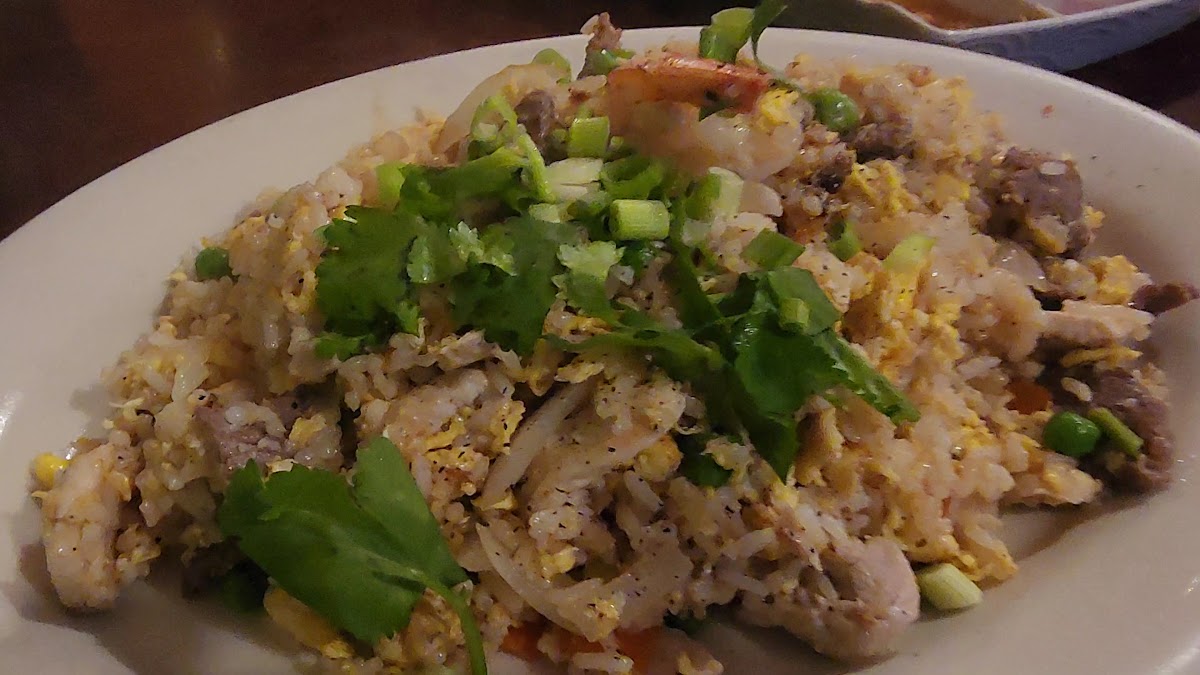
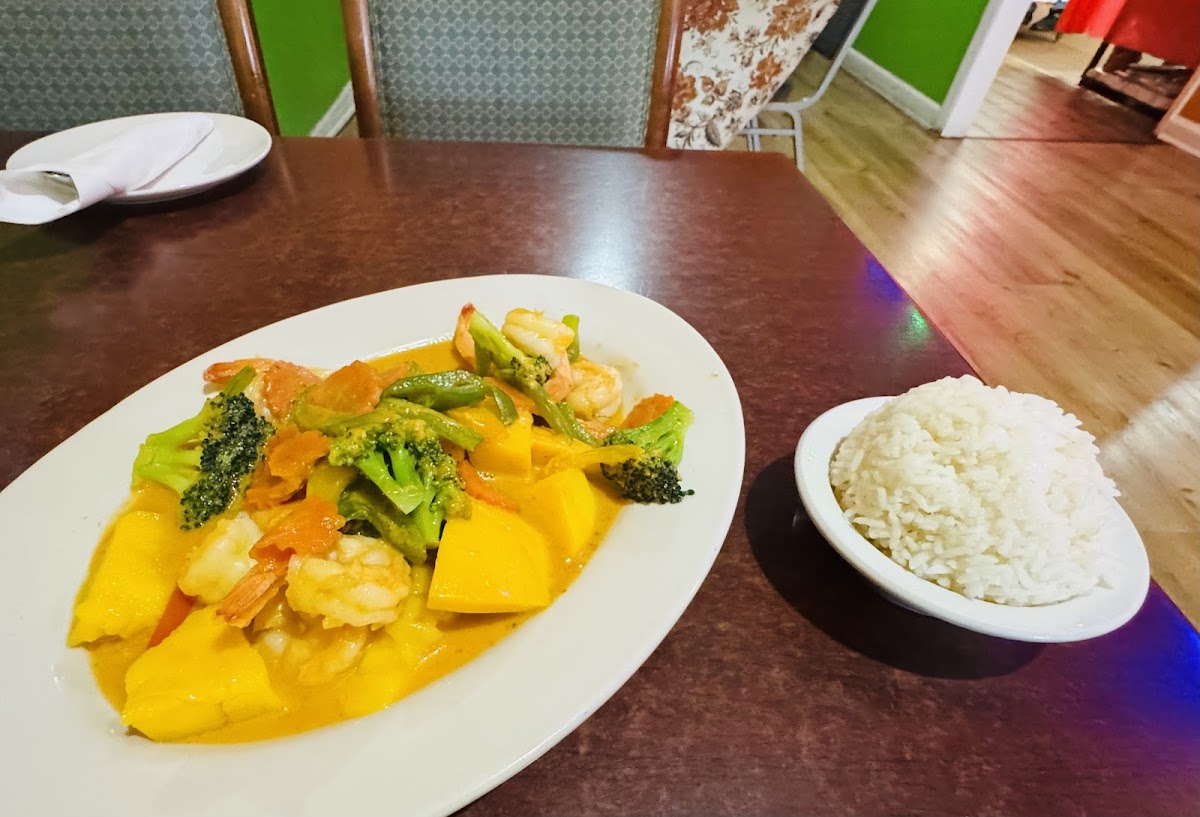
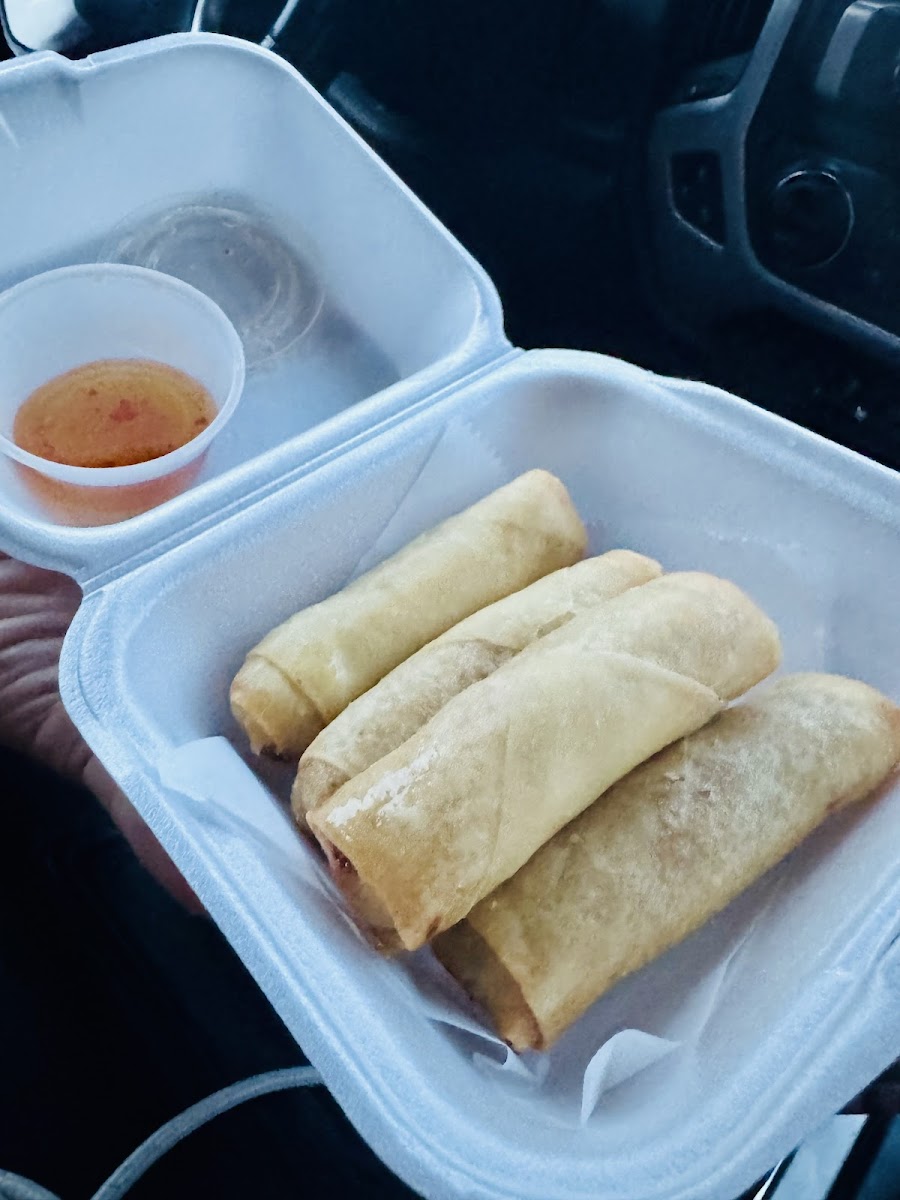
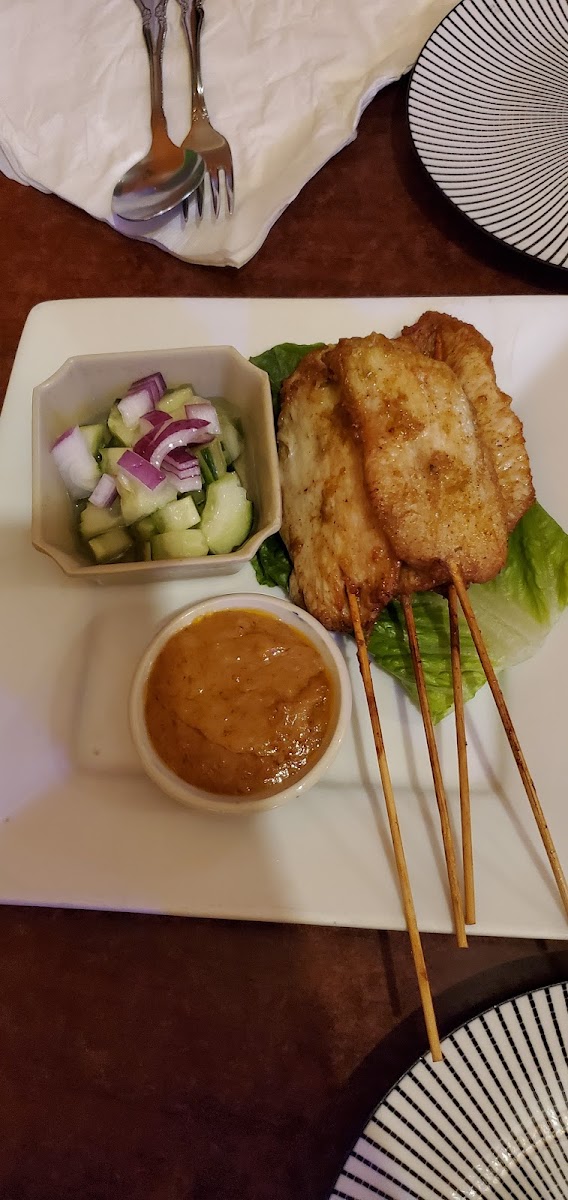
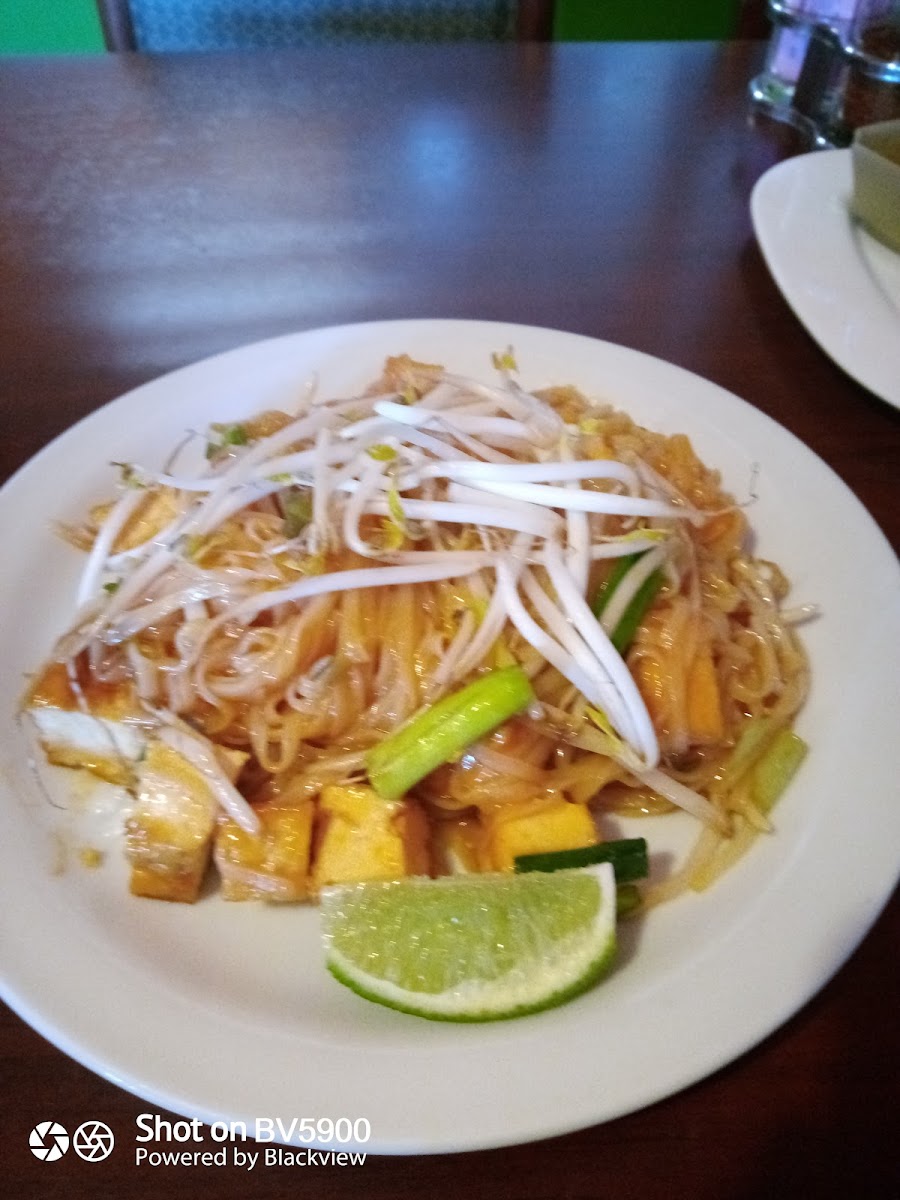
The menu balances comfort and curiosity. Familiar Thai staples like pad thai and green curry sit alongside Lao classics such as larb and sticky rice, and that mix matters. Lao cuisine often gets overshadowed by Thai food in the U.S., even though the two share roots and techniques. According to food historians cited by the Smithsonian’s Asian Pacific American Center, Lao cooking emphasizes herbs, fermented flavors, and dry heat, which explains why dishes here feel bold but clean rather than heavy. You can taste that philosophy in the grilled meats, especially the marinated chicken, which is charred just enough to stay juicy without losing its spice.
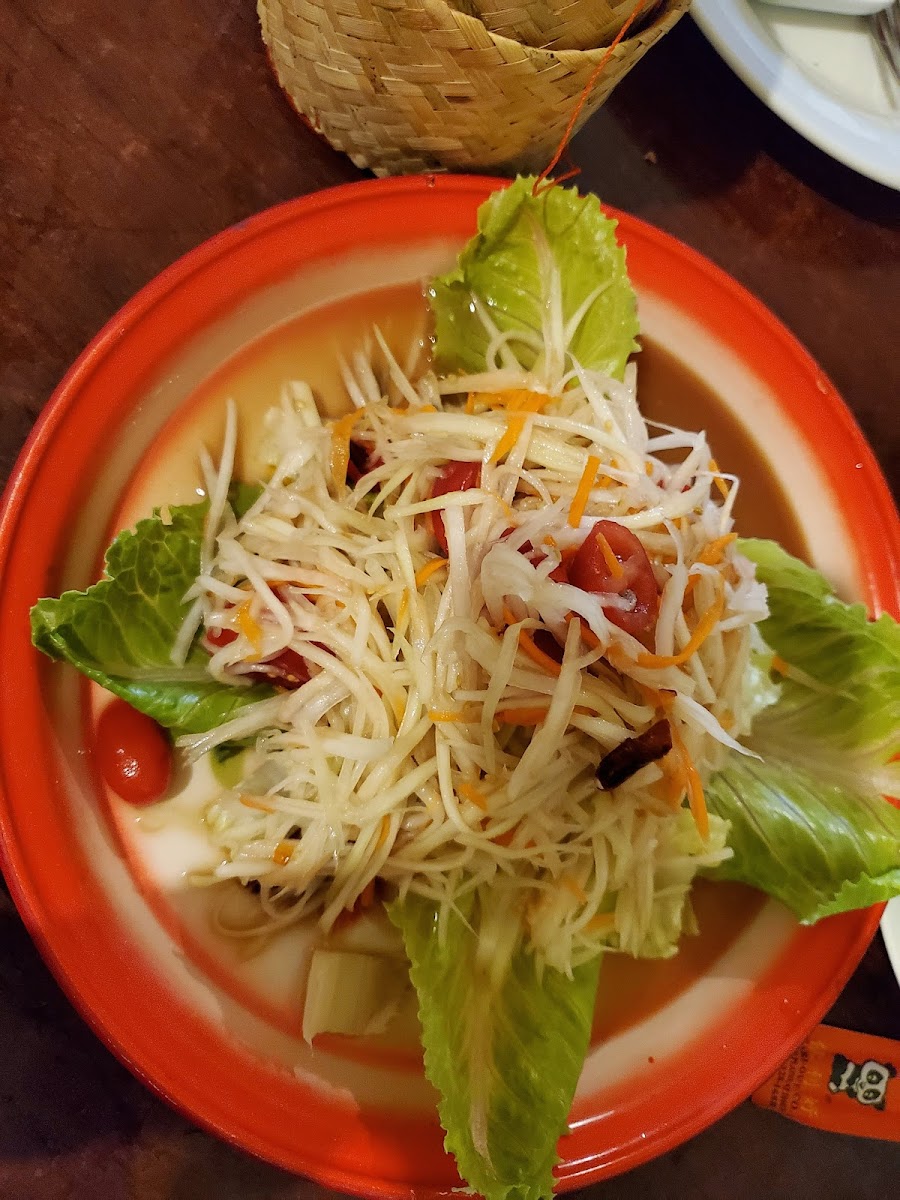
One afternoon, I watched the kitchen staff prepare papaya salad the traditional way, pounding it fresh in a mortar instead of pre-mixing it. That process takes longer, but it preserves texture and keeps the flavors bright. It’s also a good example of how technique affects taste. Studies from Cornell University’s food science department have shown that fresh preparation of herbs and vegetables retains more aromatic compounds, which directly impacts flavor perception. You don’t need to know the science to enjoy it, but it explains why the salad here pops in a way that pre-made versions never do.
Portion sizes are generous without feeling wasteful, and the pricing reflects that this is meant to be a neighborhood spot, not a tourist trap. Reviews from locals often mention consistency, and that’s something I noticed over multiple visits. The spice levels are respected too. When you ask for hot, you get heat that builds gradually instead of overwhelming the dish. The owner once explained that balance is key in Lao cooking, and that stuck with me because it shows up on the plate.
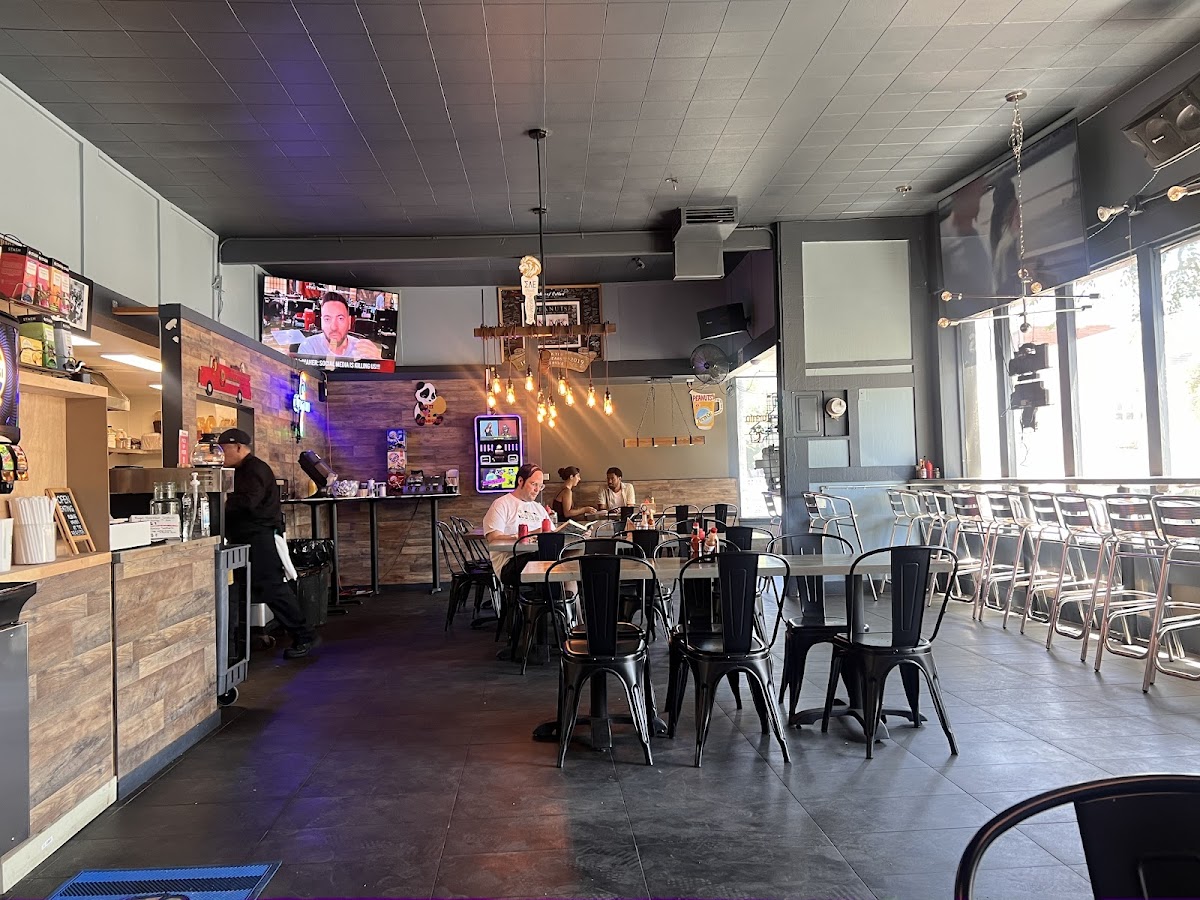
The dining area itself is simple and relaxed, which works in its favor. You’re not distracted by gimmicks, so the focus stays on the food. Families, solo diners, and couples all seem comfortable here, and that mix says a lot about a restaurant’s role in its community. According to the National Restaurant Association, repeat customers value authenticity and reliability more than trends, and this place leans fully into that truth.
There are a few limitations worth noting. If you’re looking for an extensive cocktail list or late-night hours, this isn’t that kind of spot. The focus is clearly on the kitchen, not the bar scene. Also, some Lao dishes may be unfamiliar to first-timers, but the staff is patient and happy to explain ingredients or suggest options based on your preferences.
What stands out most is how naturally the flavors tell a story. From fermented fish sauce used sparingly to fresh herbs layered at the end of cooking, the methods here reflect real culinary knowledge rather than imitation. It’s the kind of restaurant that earns trust over time, one meal at a time, and that’s why so many positive reviews mention coming back again and again.